

A Circular Kitchen
While cooking in-the-round certainly sounds intriguing, think circular economy—a closed-loop system inspired by nature where there is no waste—but in the heart of your home! Buying organically grown, locally produced food and/or growing your own is a great start for lowering your carbon footprint—and prioritizing positive impacts. Next step: Run your kitchen as much as possible like a circular ecosystem. To make your kitchen net-zero ground zero, here are a few tips to get you started:
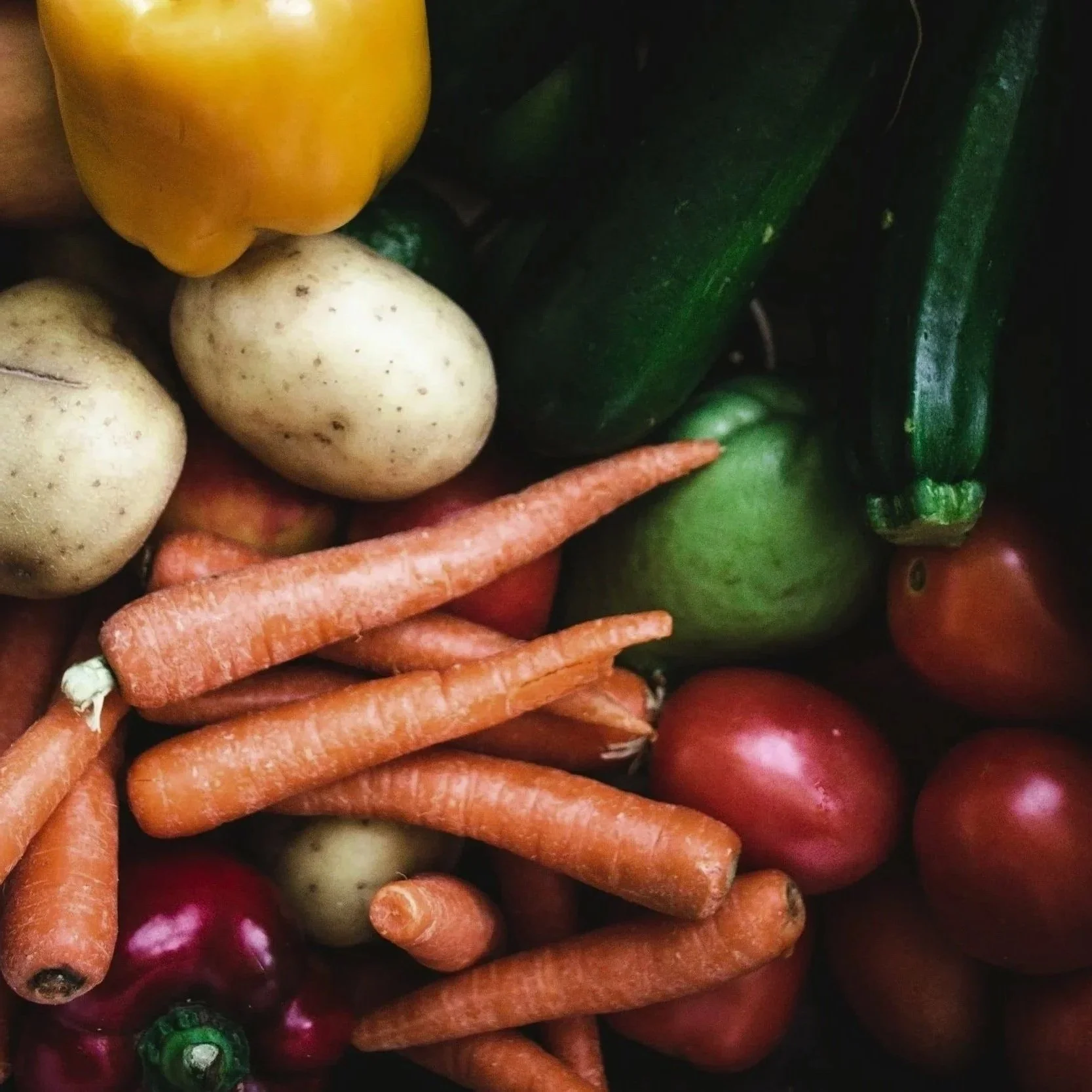
Practice “root-to-stem” cooking and create less waste: Use vegetable trimmings for slaw, soups, and broth; make carrot-top pesto or add tops to smoothies; eat organic produce with skin intact; save vegetable cooking water to use in soups and recipes.
Prioritize plant-based menus—it’s better for your health and the health of the planet. Animal agriculture uses significantly more land, water, and energy, and produces more greenhouse gas emissions than growing food. Plants provide protein, fiber, and protective vital nutrients without the harmful saturated fat and cholesterol found in animal products.
Buy in-season and locally-sourced fruits and vegetables to lower transportation emissions, and/or grow your own.
Start a windowsill garden using root ends from green onions, lettuce, and celery. Sprout seeds and beans in a repurposed jar to add to salads, soups, and sandwiches.
Shop farmers markets and retailers that offer loose or bulk-bin items to reduce wasteful packaging; reuse bags and jars instead of buying new.
Inventory your fridge and freezer frequently. You’ll save money and avoid waste when you create shopping lists, meals, and menus geared to use what you already have in stock.
Plan your cooking with other meals in mind—try batch cooking— and get creative with leftovers.
Find a local green-waste option or try home composting for the food scraps that you do have. Composting can be done outside via backyard compost or inside with worm composting (vermicomposting) or Bokashi, a Japanese method using fermentation.
Save it before it spoils. Freeze, dehydrate, or pickle food to use at a later date; chop and parboil vegetables before freezing in airtight containers; make freezer jam or dessert sauce with overripe fruits; toast tired bread for croutons and freeze to use later.
Understand that food label dates don’t mean a food suddenly “expires.” Most are manufacturer-suggested “best by” dates or intended for grocers to manage inventory. MORE INFO
Collect grey water from cooking and dishwashing in a dishpan or bin to water plants.
Store food properly to last longer. For food storage tips, GO HERE.
Here’s to your health and a happy, circular heart of the home!
—Hillary Black, Editor